Your project board is current. Procedures are documented. The CRM is updated. Everything appears to be in order.
Yet a client request sits untouched because two people assume the other owns it. A proposal waits for approval. Someone asks the founder to decide what happens next.
That is the gap between business organization and business operations. Organization makes work easy to locate. Operations make it clear how work advances, who makes decisions, and what happens when it stalls.
Where Business Operations Stall Behind a Tidy Dashboard

Founder-led businesses invest in folders, templates, dashboards, and task boards. The problem is not that these are unnecessary. They often describe the work without defining how it moves.
A task may have a status but no single accountable owner. A process may list actions but omit the point at which responsibility transfers. A dashboard may show overdue items but not whether they await a client, teammate, or founder decision.
People compensate with questions, reminders, and side conversations. The founder becomes the default routing point. Everyone may be working hard, but progress still depends on individual intervention instead of a repeatable system.
Why Another Tool Rarely Fixes the Handoff
The natural response is to reorganize the board, buy a more capable platform, add a meeting, or document another SOP. Those moves can improve visibility and reduce friction. They just cannot resolve ambiguity that has never been addressed.
A new CRM will not decide who follows up after an estimate is sent. A better project template will not establish who can approve an exception. A weekly status call may reveal the same stuck items every Friday without giving anyone authority to move them.
Tools organize an operating system; they do not create one. If the rules for ownership and decisions are unclear, cleaner software simply displays the confusion more neatly.

Build Business Operations Around Clear Movement
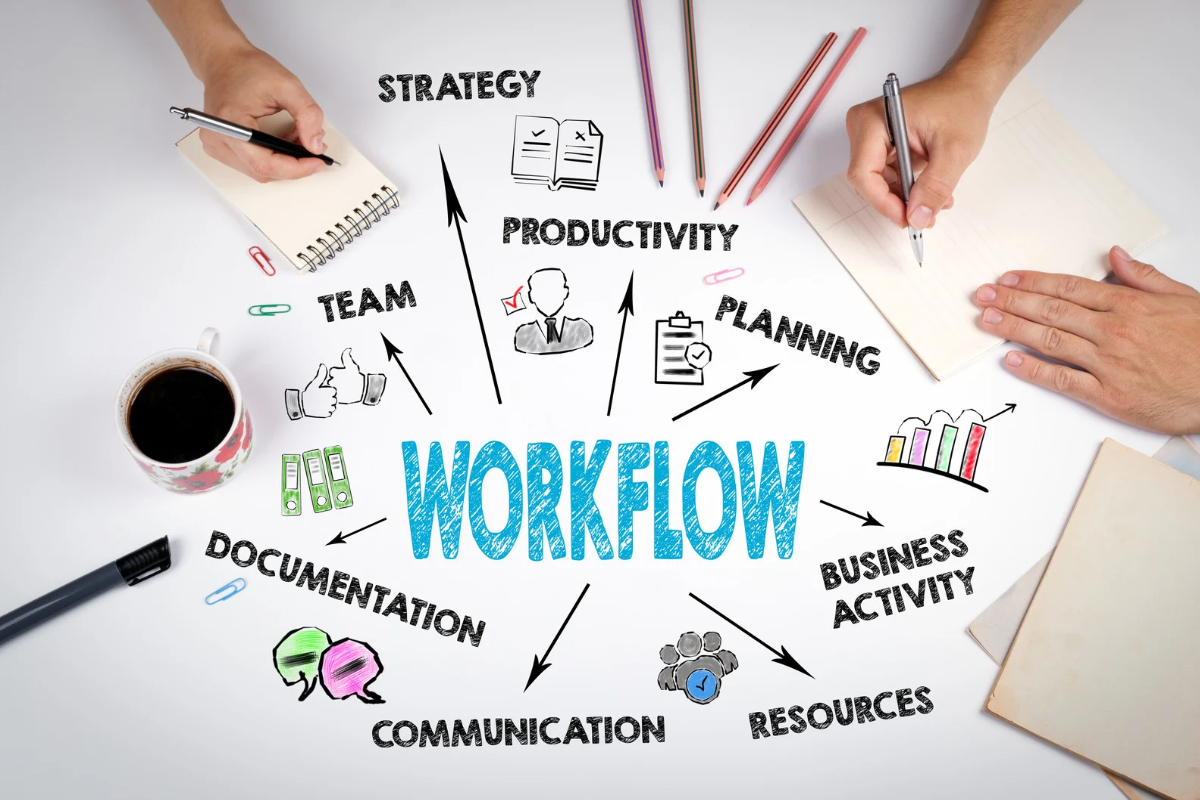
Start with one recurring workflow that regularly pulls the founder back in: a new inquiry, a client onboarding, or a fulfillment request. Follow a real item from the moment it enters the business until it is complete.
At each transition, answer five practical questions:
- Who owns the outcome? Name one role accountable for moving the item forward, even if several people contribute.
- What happens next? Define the next action and what must be true before it can begin.
- Who can decide? Separate decisions the team can make from exceptions that genuinely require founder approval.
- Where does it go when stuck? Set a clear escalation point and response window.
- How will we know it worked? Track a signal that reflects movement, such as time to first follow-up or pending approvals.
These are the foundations of operational systems. A procedure can capture them, and a project board can display them. The important part is that the team uses the same rules under pressure.
Give Handoffs a Rhythm Without Adding Meetings

A workflow only stays reliable if someone notices when the rules break down. That requires a light operating cadence: a short, regular review of what moved, what is waiting, and who is responsible for the next action.
Instead of asking every person to report everything they did, look at exceptions. Which client requests crossed the expected follow-up window? Which approvals are sitting with no decision-maker? Which work repeatedly returns to the founder because the team’s authority is undefined?
Use those patterns to revise handoffs or decision rights. The aim is not more reporting. It is fewer surprises and fewer questions that should have been settled by the process.
What Changes When Execution Becomes Predictable
When ownership and handoffs are explicit, a team spends less time reconstructing the status of work. A client inquiry is less likely to sit between sales and delivery. Managers know which decisions they can make and when to escalate. The founder can review genuine exceptions instead of routing every task.
That does not mean delays disappear or the business runs without leadership. It means delays become easier to locate and address. Operational efficiency improves because fewer items depend on informal reminders and the founder’s memory.
The same tools may be enough. They now support a workflow people understand.
The Test Is What Happens After a Task Is Assigned
A tidy workspace is useful, but it is not proof of a functioning business. The better test is whether a piece of work can pass from one owner to the next without losing momentum.
Strong business operations are visible in that movement. Organization helps people find work. Clear ownership, decision rights, and handoffs help them finish it.